SWOT Analysis
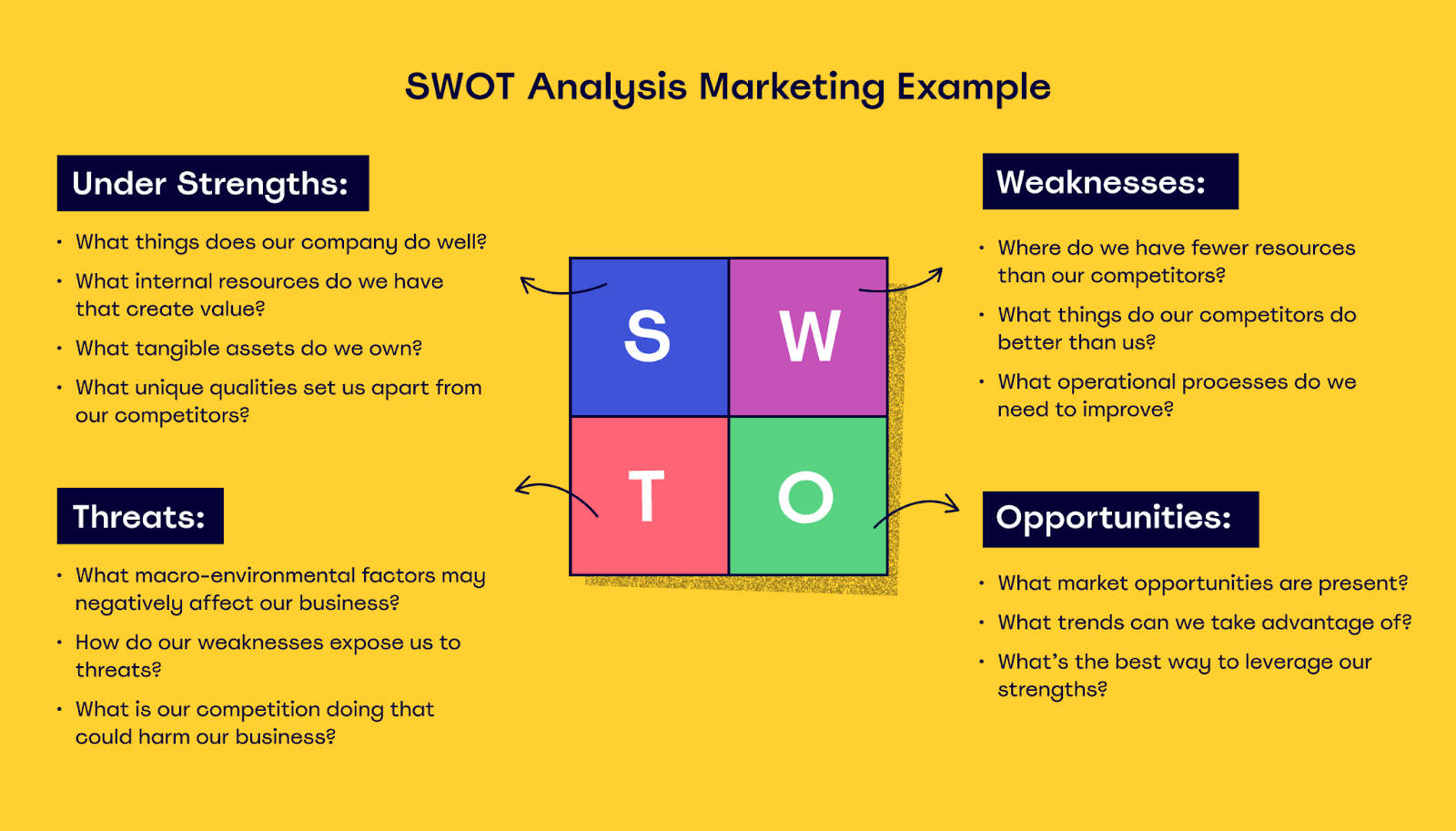
Strengths
A key strength of this project lies in its integration of two distinct datasets, ICE arrest records and school absenteeism reports allowing for a multi-layered perspective on the effects of immigration enforcement. The ICE dataset, obtained through the Deportation Data Project, is highly detailed, including demographic characteristics, apprehension methods, dates, and apprehension methods that enable granular analysis of enforcement patterns.
The preprocessing I completed, including deduplication, standardization of date and numeric formats, and construction of time-based variables ensures the dataset is clean, reliable, and analytically usable. This careful preparation strengthens the validity of your findings and models best practices in data management and reproducible analysis.
Another strength lies in the project’s theoretical grounding. By drawing from peer-reviewed research such as Dee (2025) and Heinrich et al. (2023), the project situates descriptive patterns within well-established empirical frameworks linking enforcement activity to student stress, attendance shifts, and broader community well-being. This integration of literature with real-world Los Angeles data enhances the credibility and relevance of the findings.
Finally, this project benefits from strong visual communication. The figures included, monthly and daily ICE arrest trends, demographic dashboards, apprehension methods, school maps, and percent-change tables offer clear and accessible representations of complex patterns. These visuals strengthen the narrative and support the interpretation of descriptive findings.
Weaknesses
The most significant weakness is the granularity of the school attendance data. As noted, DataQuest provides only annual totals that are accessible online rather than monthly or daily attendance logs, which limits the ability to directly align absence spikes with the June 2025 enforcement surge. Without finer-grained data, the analysis cannot establish causation or even strong correlation, nor can it directly attribute the year-to-year increases to the enforcement events, despite their overlap within the same reporting window. This limitation restricts causal inference and requires cautious interpretation of the findings.
Additionally, the school data does not distinguish between reasons for excused absences beyond the “excused” aggregate. Families may report excused absences for a range of reasons, including illness, appointments, or transportation challenges meaning that “fear-based” absences cannot be isolated directly. This lack of specificity reduces the precision of your findings.
Another weakness involves geographic uncertainty. While the 14 schools included are within a two-mile radius of the raids, families may live, work, or travel outside this radius, meaning the proximity measure is an imperfect proxy for community exposure.
Finally, the ICE dataset from September 2023 to October 2025 captures only recorded arrests, not broader forms of enforcement activity such as surveillance, home visits, or street checkpoints. These unmeasured activities may also affect attendance behavior but remain invisible in the dataset.
Opportunities
There are significant opportunities to deepen and expand this work. First, obtaining more granular attendance data, either through direct school district collaboration or public records requests would allow for time-aligned patterns that more precisely identify behavioral shifts following enforcement events. Daily or weekly attendance logs would transform this descriptive project into a quasi-experimental design.
Given the national surge in immigration enforcement funding and expanded ICE operational capacity in 2025, this project could be replicated across other cities experiencing enforcement increases. Comparative analysis across metropolitan areas would help determine whether Los Angeles reflects a national trend or a localized response.
This project opens opportunities for interdisciplinary collaboration with education researchers, social workers, or community organizations who monitor school climate, mental health, and family stability. Attendance is only one metric of child well-being; integrating behavioral health data, counseling referrals, or disciplinary trends could broaden the picture of enforcement impacts.
Finally, the project has potential policy relevance. By showing how enforcement disrupts school attendance, a factor linked to academic performance, graduation rates, and long-term mobility, this research could inform advocacy efforts around the protection of sensitive locations, limits on enforcement near schools, or support for immigrant families during enforcement surges.
Threats
External threats to the project primarily involve political and data-access risks. Immigration enforcement practices can change rapidly with federal administrations, and future policy shifts may increase or decrease availability of enforcement records. If ICE becomes less transparent, obtaining complete arrest data may become difficult.
A second threat is the instability of school reporting systems. If the state modifies DataQuest formats, categories, or reporting cycles, year-to-year comparisons may become inconsistent or impossible.
Finally, severe enforcement surges could reshape school demographics through displacement, deportation, or family relocation. Such shifts may distort attendance patterns in ways unrelated to the punctual impact of raids, complicating longitudinal interpretation but this could be tracked and acknowledged in the dataset.